 Lodge preferences are saved.
Buying a Lodge in Your Business Name: Everything You Need to Know
When most people think about buying a holiday lodge, they picture a couple looking for a weekend escape or a family searching for a holiday home for regular staycations.
But, lodge ownership isn’t exclusively for private buyers.
If you’re a business owner, purchasing a lodge through your company could bring an entirely new set of possibilities to the table.
Rather than simply being a place to spend your own annual leave, a lodge could become an employee benefit, a reward for your team, a place to encourage wellbeing and even an asset that generates income.
There’s no denying that buying a lodge for sale in the UK is a significant purchase, so there’s lots to think about before you decide if buying a lodge in your business name is right for you.
Below, we’ve taken a look at the key things you need to know about buying a lodge through your business, including the benefits that draw most business owners in.

A Lodge Can Help You Reward and Retain Your Team
Recruiting and replacing experienced employees can be expensive.
There are recruitment costs to consider, as well as the time involved in interviewing candidates, onboarding new employees and getting them up to speed.
For businesses competing for skilled staff, offering something unique can be a useful part of a wider employee retention strategy, helping to cut recruitment costs.
If your business owns a lodge, you have a unique benefit that employees can actually experience – and one that a lot of your competitors won’t have – rather than yet another overlooked item on a list of workplace perks.
Use Luxury Lodge Stays as Performance Rewards
A stay at a luxury lodge could be offered as a reward for achieving particular targets or milestones.
For example, your business could use lodge breaks as rewards for achieving quarterly or annual targets, Employee of the Month or Employee of the Year prizes, or incentives for completing major projects.
This can give employees something to work towards, whilst creating a reward that feels considerably more substantial than a gift voucher.
Celebrate Important Milestones
A lodge could also form part of a long-term recognition programme.
You might offer a luxury lodge stay to employees celebrating 10 or 20 years with the company, a promotion, retirement or an important personal milestone.
For an employee who has spent years with the same company, being given the opportunity to take their family away for a luxury break can be a meaningful way of saying thank you – especially with the cost of holidays on the rise.
Supporting Employee Wellbeing
Employee wellbeing has become an increasingly important consideration for businesses.
A good holiday can provide an opportunity to step away from work, spend time outdoors and properly switch off.
There’s nowhere better than a luxury lodge, and employees don’t have to think about organising expensive accommodation themselves.
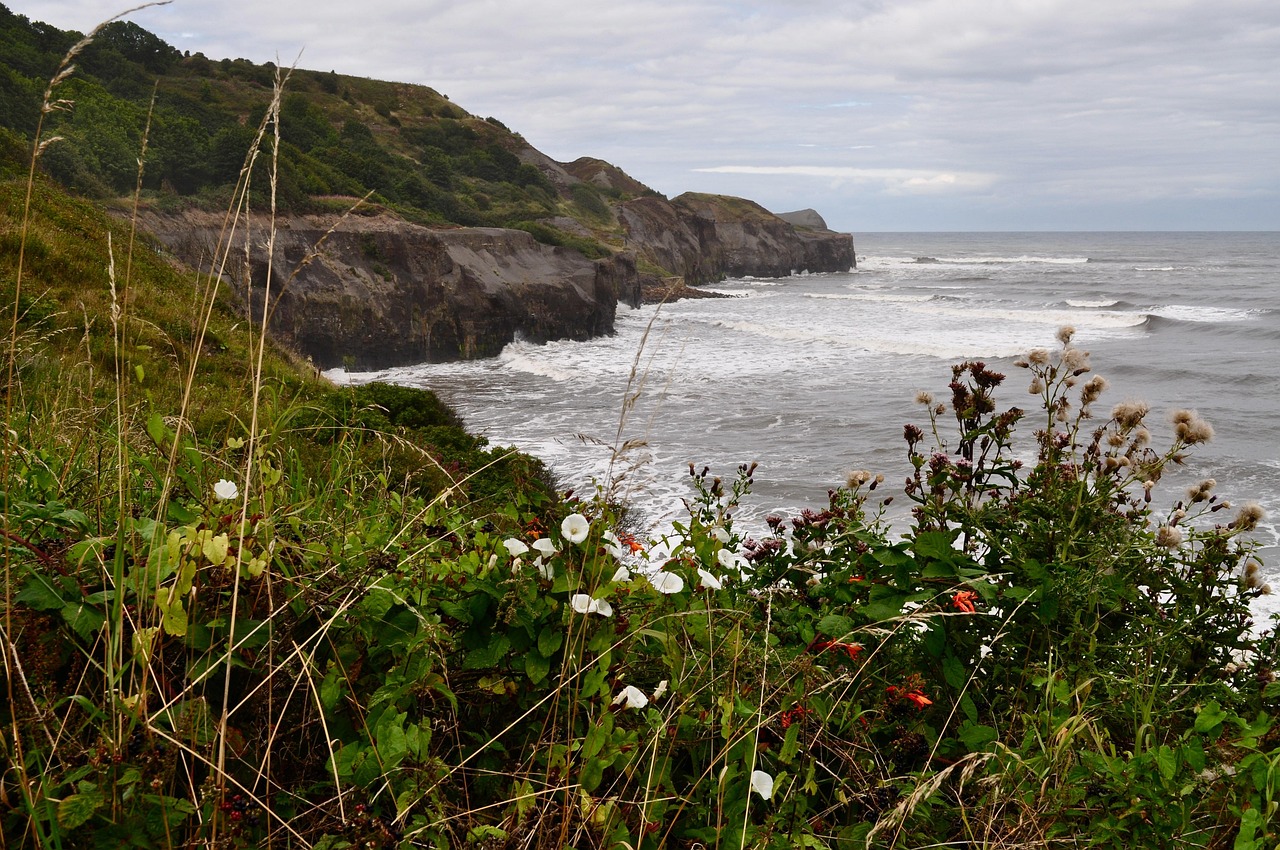
Depending on the location you choose for your lodge, employees could have access to walking routes, cycling, lakes, beaches, woodland and other outdoor activities.
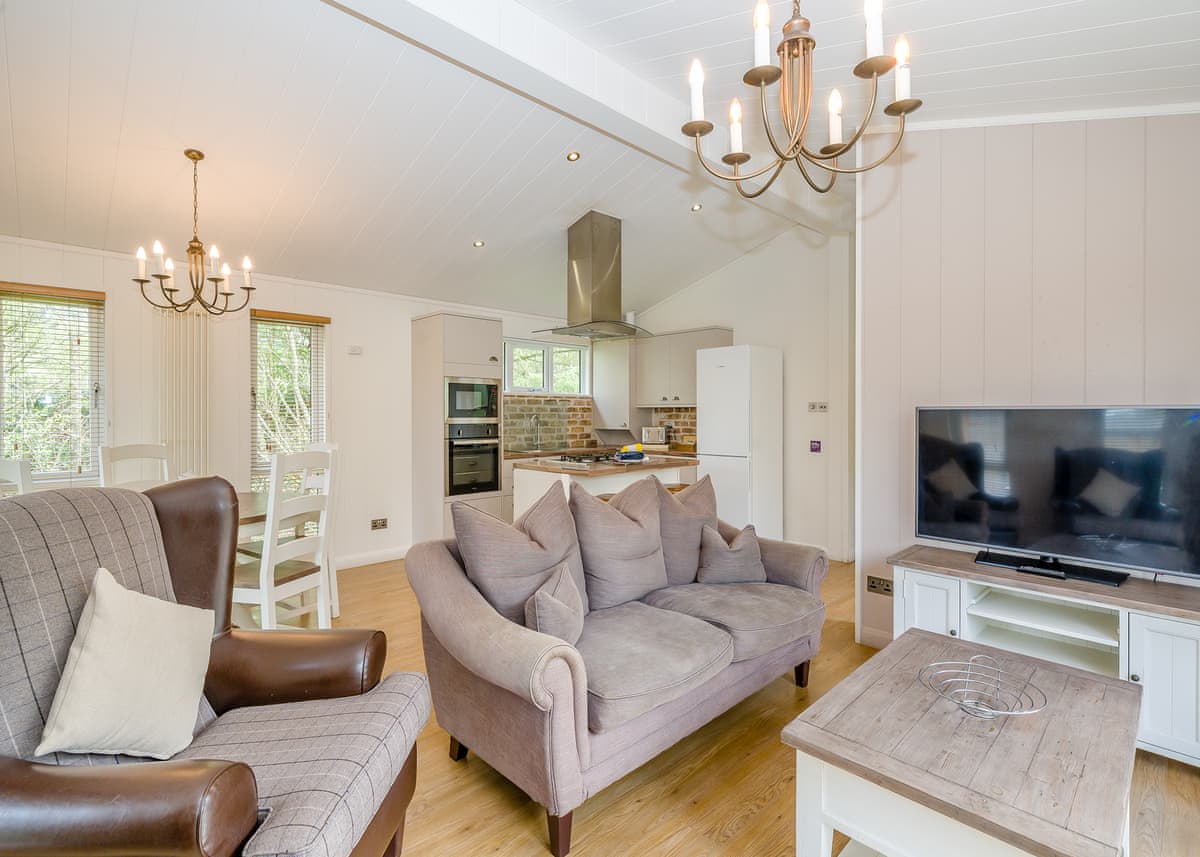
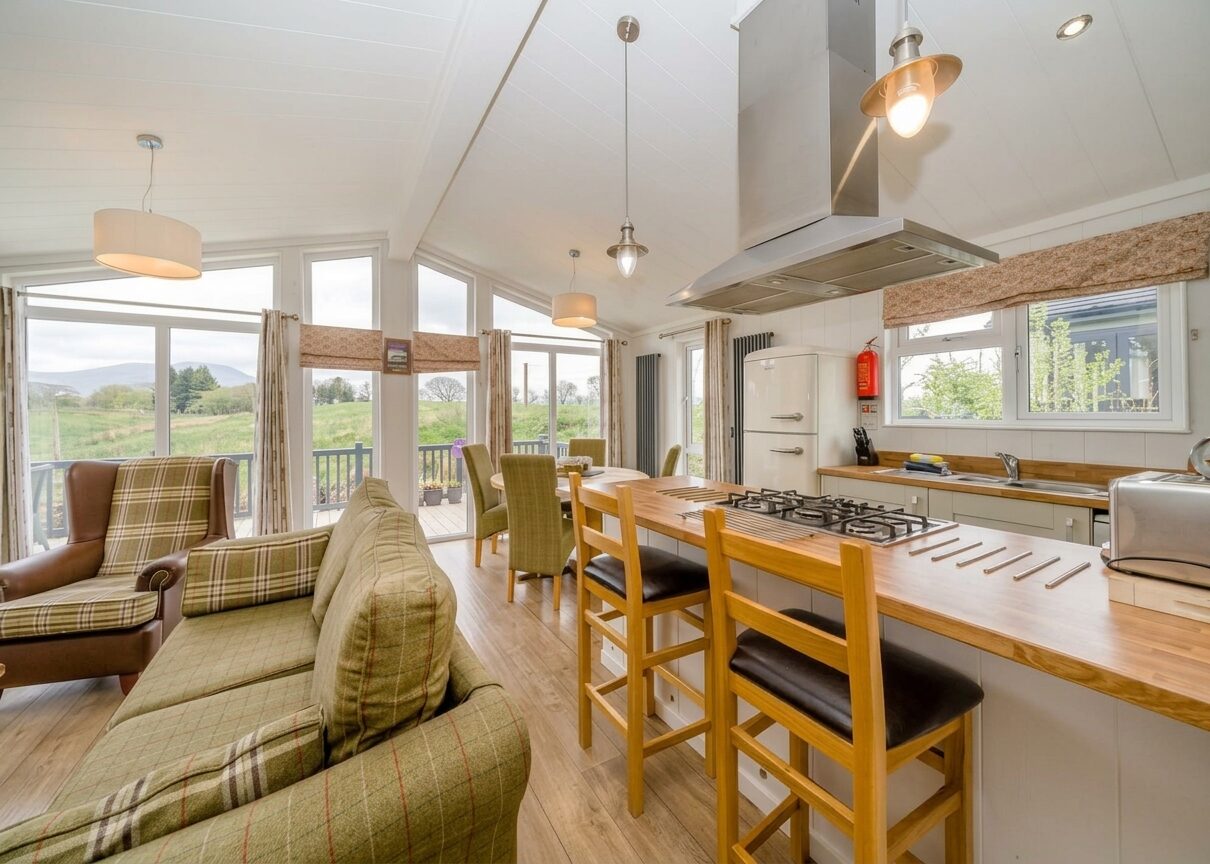
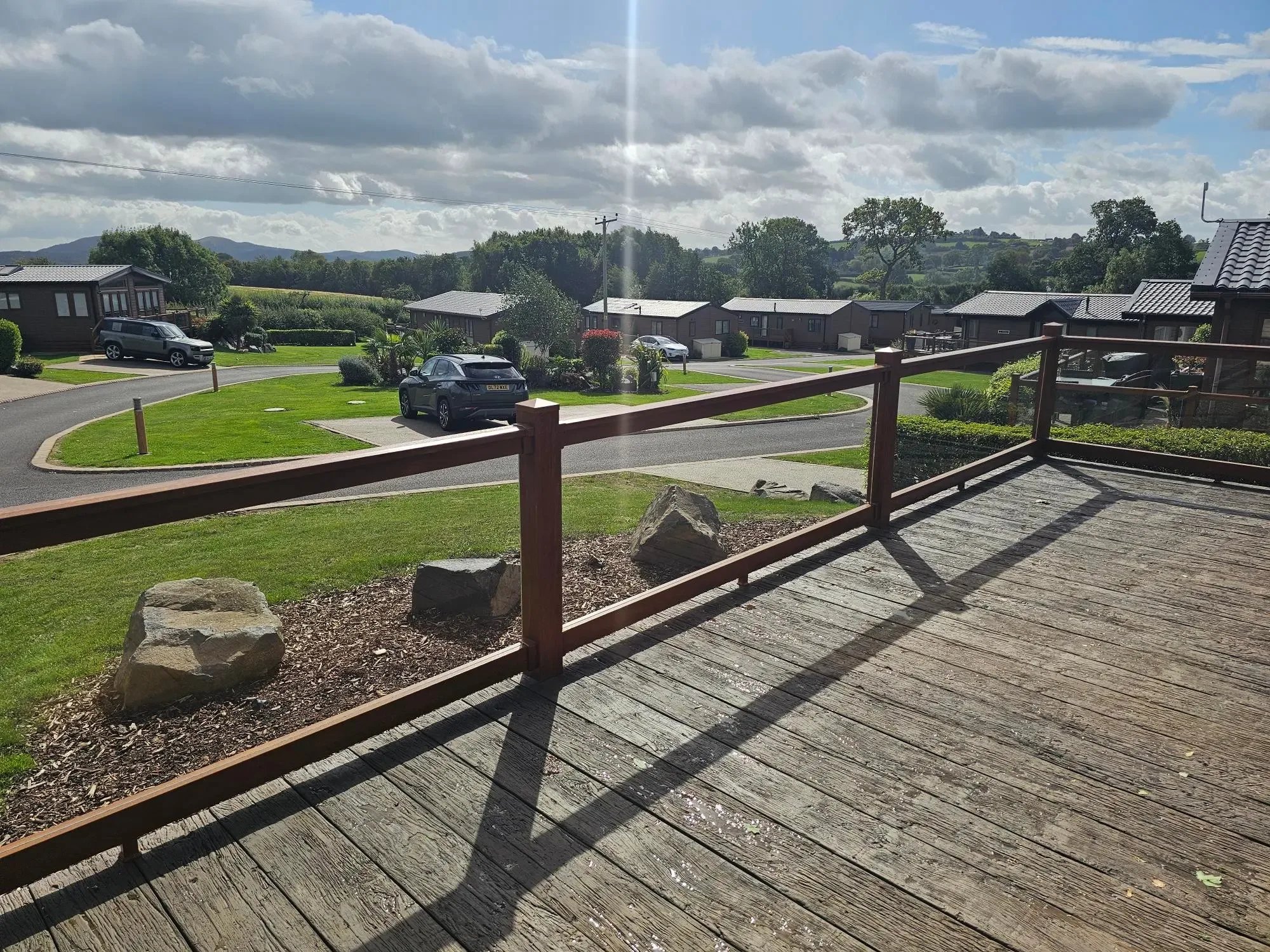
Inside the lodge, spacious living areas, private decking and hot tubs create a comfortable environment that’s ideal for relaxing after a busy period at work.
The benefit isn’t simply about having somewhere to stay, it’s about giving employees the change to properly disconnect from their normal working environment.
Don’t Forget the Family
Buying a lodge in your business name doesn’t necessarily have to be an individual employee benefit.
If the lodge is big enough for families, employees could use their allocated stays to spend quality time with partners, children or other family members.
This can make the benefit considerably more valuable to employees, as it’s one they can share with loved ones.

Could Buying a Business Lodge Generate Income?
Yes, sometimes buying a lodge in your business name could generate income.
If the holiday park allows commercial letting, the lodge could be made available to holidaymakers when it isn’t being used by employees.
This introduces another possible use for the asset, helping you to get even more out of the investment.
Rather than sitting empty for a lot of the year, the lodge could potentially generate holiday letting income.
The exact rules on commercial letting vary between parks, so it’s something you should look into before buying.
It’s also important to consider occupancy, seasonality, location, pricing and running costs, as these will all affect how much income actually ends up in your business’ pocket.
Understanding Tax and Accounting
It’s not the most exciting part of buying a lodge in your business name, but it is something you need to get right.
If you ask us, it’s an area worth getting professional advice on, as mistake can be costly and stressful.
The tax treatment of holiday accommodation has changed in recent years, largely due to the special Furnished Holiday Lettings tax rules, which we said goodbye to in 2025.
That means you shouldn’t rely on out of date information that claims that holiday lets automatically receive the tax advantages that previously applied to some furnished holiday lettings, as there’s no guarantee that’s still the case.
There may still be allowable business expenses and capital allowances – both of which depend on the circumstances – but that depends on a lot of factors, which a professional can take you through.
What About Stamp Duty?
One question that often comes up is whether Stamp Duty Land Tax (SDLT) applies to lodges owner by businesses.
Buying a holiday lodge is generally different from buying a traditional property, as many lodges are treated as assets rather than land.
However, the exact classification matters.
A lodge that can be moved without causing substantial damage to the land or the structure may be treated differently from a permanently fixed property.
That’s why it’s important to establish the status of the lodge before assuming that SDLT does or doesn’t apply.
Professional advice is particularly important here because the treatment depends on the specific circumstances, and you don’t want to risk getting it wrong.
Is a Lodge Stay a Benefit in Kind?
If you buy a lodge in your business name, and you allow employees or directors to use it, Benefit in Kind rules might need to be considered.
This is especially important if the lodge is being offered as part of an employee reward or benefits package.
The tax treatment can depend on factors such as who has access to the lodge, how access is allocated and whether the accommodation is available to employees generally.
The rules can be complex, so it’s a good idea to speak to an accountant or tax adviser before offering your business’ lodge as an employee benefit.
Is Buying a Lodge Through a Business Worthwhile?
There’s no single answer when it comes to whether buying a lodge through a business is worthwhile.
The right decision depends on your business’ finances, how you intend to use the lodge, your employee benefits strategy, the location and holiday park you choose, the costs of ownership and the relevant tax treatment.
For some businesses, the biggest value might come from employee retention and wellbeing.
For others, the ability to combine employee use with holiday letting could be the main attraction.
Whatever the appeal, the best place to start is by understanding the complete picture and basing a decision with your specific plans in mind.
If you’re interested in knowing what’s out there, explore our range of luxury lodges in UK holiday destinations and find out more about the parks, accommodation and ownership opportunities available.