 Lodge preferences are saved.
Dartmouth in July vs. Dartmouth in November
Dartmouth is easy to fall in love with in summer.
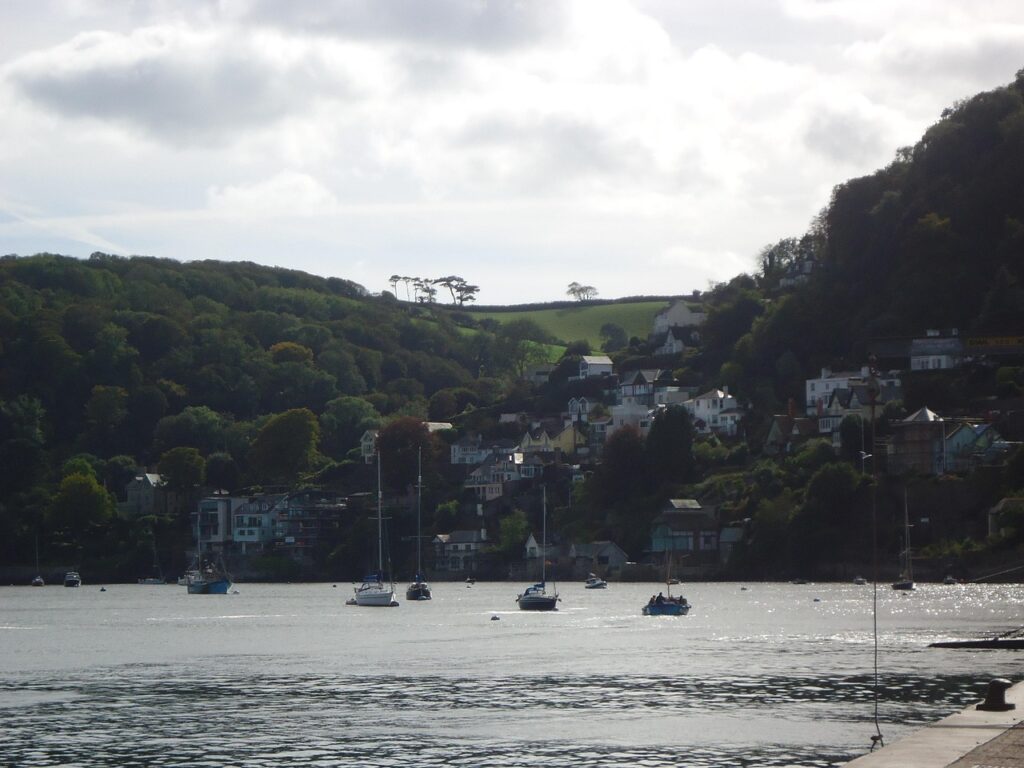
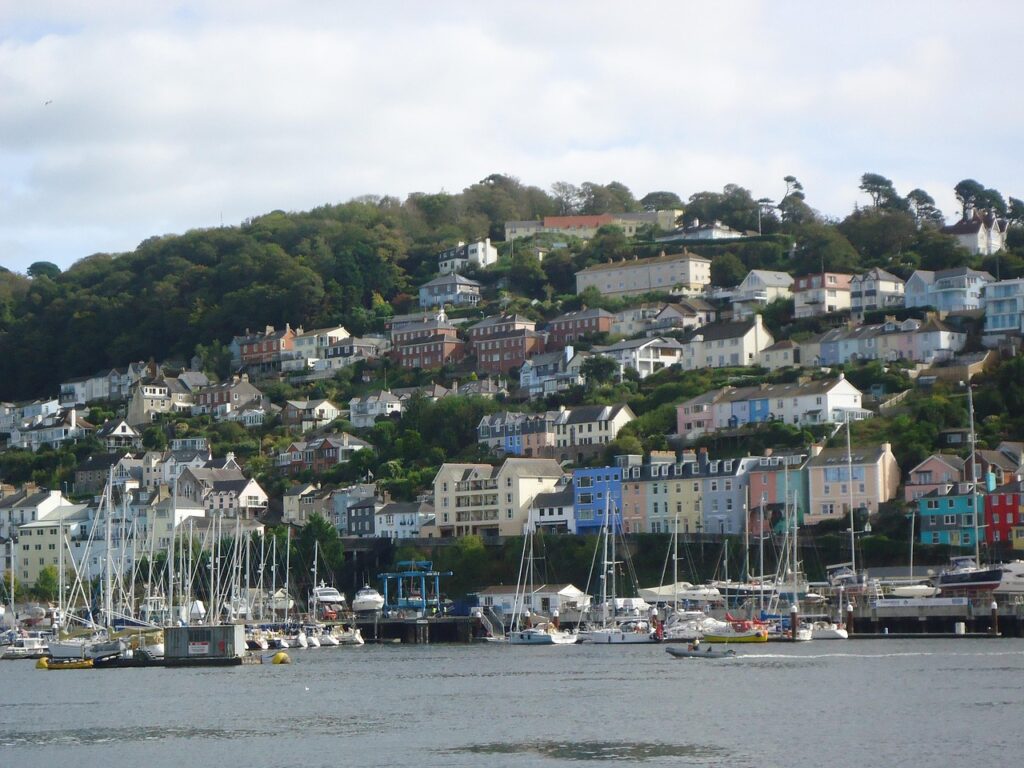
The River Dart catches the sunlight.
Boats move along the water.
The streets are busy, the pubs are lively and a day spent wandering around the harbour followed by fish and chips can make buying a holiday home here feel like an obvious decision.
But, there’s a question worth asking before you commit – would you still want to come to Dartmouth in November?
Not on a crisp, sunny autumn afternoon when the Area of Outstanding Natural Beauty is looking its best.
Not during a rare weekend when the weather happens to be perfect.
We’re talking about a wet Saturday, an early sunset and a forecast that promises more rain tomorrow.
Because if you’re buying lodges for sale in Dartmouth, you’re not really buying the Dartmouth you experience during its best few weeks of the year.
You’re buying the opportunity to come back again and again.
That means the real test isn’t whether you love Dartmouth in August.
It’s whether you can imagine enjoying it in November.
A Holiday Home Isn’t a Holiday
This is an easy distinction to overlook.
When you visit Dartmouth for a weekend, everything feels like part of the experience.
You book a nice meal.
You walk around the harbour.
You visit the shops and The Old Market.
You take a boat trip.
If the weather turns, you head back home at the end of the weekend.
Owning a holiday home is different.
You might arrive on a Friday evening after work and discover that it’s raining.
You still have to unpack the car.
You might need to put the heating on.
You might have forgotten something from home.
You might spend Saturday morning deciding what to do when the weather isn’t suitable for a full day outside.
None of this makes owning a holiday home a bad idea.
In fact, this is exactly why it’s worth thinking about.
A holiday home should work for ordinary weekends, not just the ones that look good in a brochure.
What is Dartmouth Actually Like Outside Summer?
Pretty good, as it goes.
Dartmouth’s appeal doesn’t disappear when the temperature drops.
The River Dart is still there, the historic streets still have their character and the surrounding South Devon countryside doesn’t suddenly become less interesting because it’s November.
If anything, the quieter months can reveal a different side of the area.
There are coastal and countryside walks to tackle, independent shops and places to eat, historic attractions to explore and lots of opportunities to slow down.
You don’t need a beach day or blazing sunshine to have a reason to visit.
That’s an important consideration for lodge buyers.
If your idea of a good weekend is always sitting outside in the sunshine, a coastal holiday home could feel very seasonal.
If you enjoy walking, exploring, eating out, visiting local attractions or simply having somewhere different to escape to, Dartmouth has more potential outside the traditional holiday season.
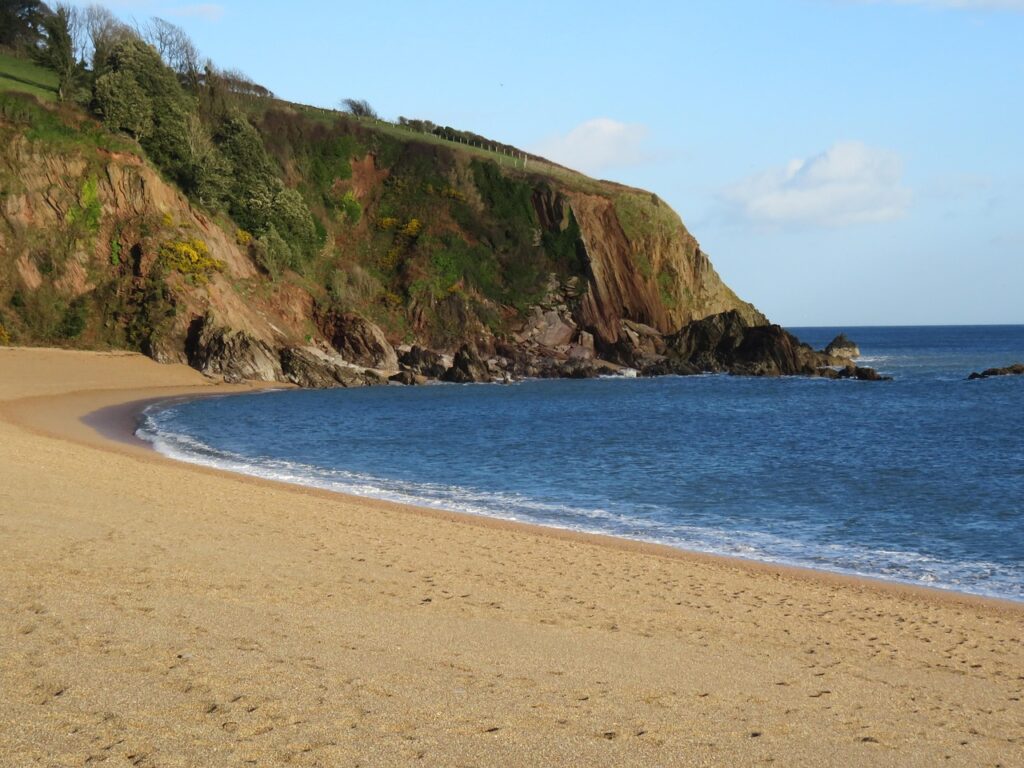
The November Test: Ask Yourself These Questions
Before buying, imagine that you’ve just been given the keys.
It’s November.
The forecast is wet.
You’ve got Friday afternoon off work and could either stay at home or drive to Dartmouth.
Would you bother going?
If the answer is an enthusiastic yes, that’s a good sign.
Now, let’s make the test harder.
You’ve already visited twice this month.
It’s raining again.
There’s no particular event happening.
You don’t need to be anywhere in Dartmouth.
You could simply stay home, put the heating on and watch television.
Would your holiday home still feel like somewhere you’d want to escape to?
This is the sort of question that can tell you more about whether ownership suits you than another sunny day spent looking around holiday parks.
What Would You Actually Do On a Rainy Weekend in Dartmouth?
This is one of the most practical questions to answer before buying.
Don’t just think about the best case scenario.
Think about your actual habits.
Would you enjoy a slow breakfast followed by a walk when the rain stops?
Would you go for lunch?
Visit an attraction?
Browse the town?
Explore somewhere nearby?
Read a book in your lodge with the heating on?
Or would you spend the whole weekend wishing you were somewhere else?
There’s no right answer.
A family with young children might want a holiday park with facilities that give them something to do when the weather turns.
A couple might be perfectly happy with a comfortable lodge, a good kitchen and somewhere nearby for dinner.
Someone buying a lodge as a quiet retreat may actually prefer the peace and lower footfall of the colder months.
The best holiday home isn’t necessarily the one with the most facilities.
It’s the one that suits what you actually want to do when you’re there.
Don’t Confuse Dartmouth With Your Holiday Home
There’s another important part of the test.
Imagine Dartmouth is exactly as appealing as you hope it will be.
That still doesn’t mean every holiday home near Dartmouth will give you the same experience.
Your park matters.
So does the location of your pitch.
So does the accommodation itself.
So do the facilities, site fees, rules, access, parking and what is included with ownership.
A beautiful destination can’t compensate for a holiday home that doesn’t suit you.
This is important if you’re tempted to make a decision after a single viewing in glorious weather.
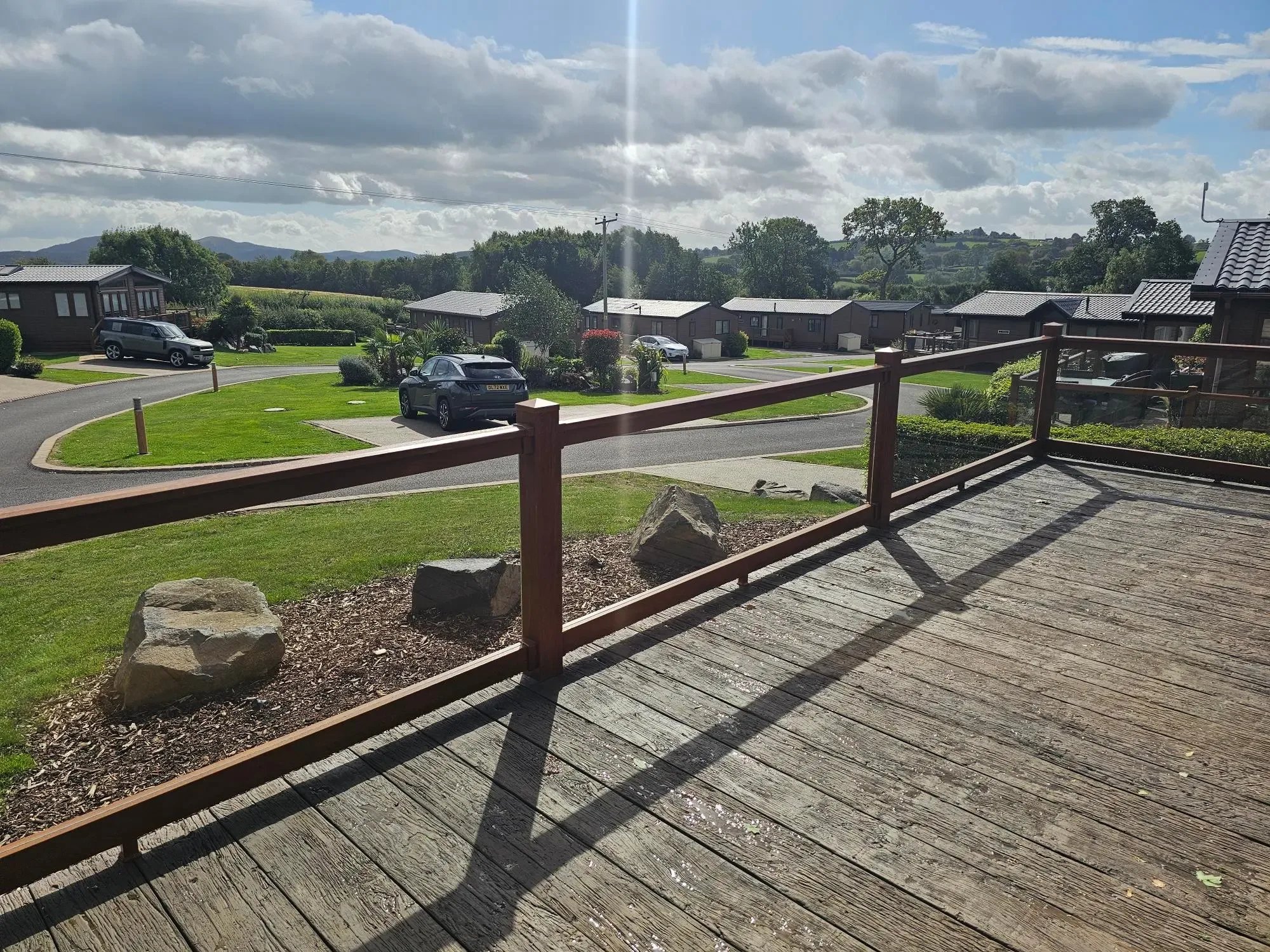
You might fall in love with the location, walk around the park in sunshine and imagine spending every summer there.
Before you buy, ask what the experience will be when the novelty wears off.
Try the ‘Three Season’ Test
One of the simplest ways to think about lodge ownership is to forget summer for a minute.
Imagine owning your holiday home in:
- November: It’s cold, wet and getting dark early.
- February: You need a reason to get out of the house, but the coast is quiet and the weather is unpredictable.
- April: Spring is arriving, the days are longer and you’re starting to spend more time outdoors.
If you can picture yourself enjoying all three, you’re probably looking at Dartmouth for the right reasons.
If you only really want to visit between June and September, that’s worth knowing too.
It doesn’t necessarily mean you shouldn’t buy.
It might simply mean you need to think carefully about whether the costs of buying a lodge for sale in the South West make sense for how often you’ll use it.
What About Quieter Dartmouth?
There’s an assumption that quieter means worse.
It doesn’t always.
One of the attractions of having your own holiday home is being able to visit when other people aren’t necessarily doing the same thing.
You aren’t restricted to one annual summer holiday.
You can choose a random weekend, stay for a few days and leave when you feel like it.
That can be particularly appealing in somewhere as popular as Dartmouth.
You might discover that the version of Dartmouth you enjoy most isn’t the busy summer destination at all.
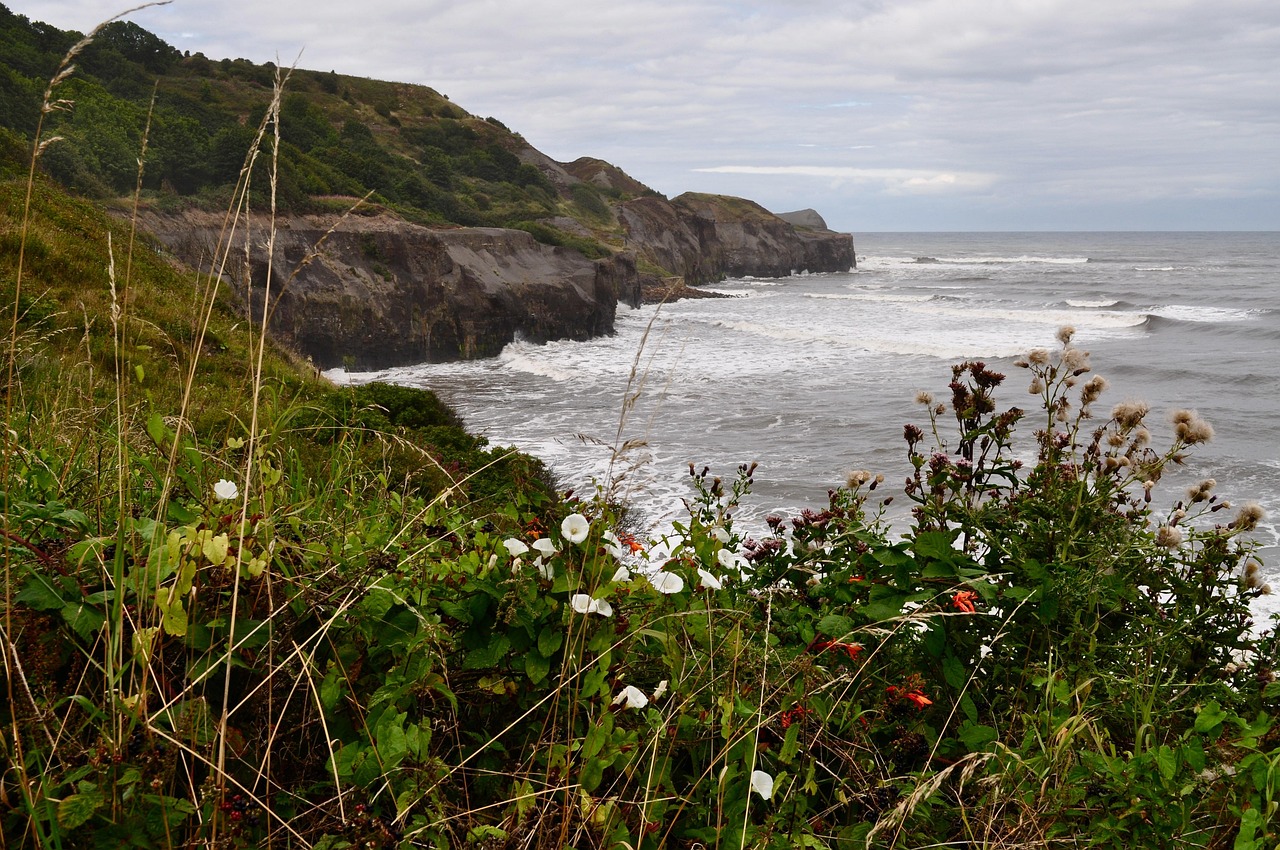
It could be the quieter town, the mist over the river, an autumn walk or a winter lunch somewhere cosy.
That’s something you can only really know by experiencing the area outside peak season.
The Dartmouth Holiday Home Test
Before you put down a deposit, ask yourself five questions:
- Would I happily drive to Dartmouth on a rainy Friday evening?
- Would I still find things to do if I couldn’t spend the day outside?
- Would I enjoy visiting outside the main summer season?
- Does the holiday park itself suit how I want to spend my time?
- Am I buying a holiday home because I genuinely want to return here regularly, or because Dartmouth looks wonderful on holiday?
If you can answer those questions honestly, you’ll be in a much better position to decide whether buying a holiday lodge in Dartmouth makes sense for you.
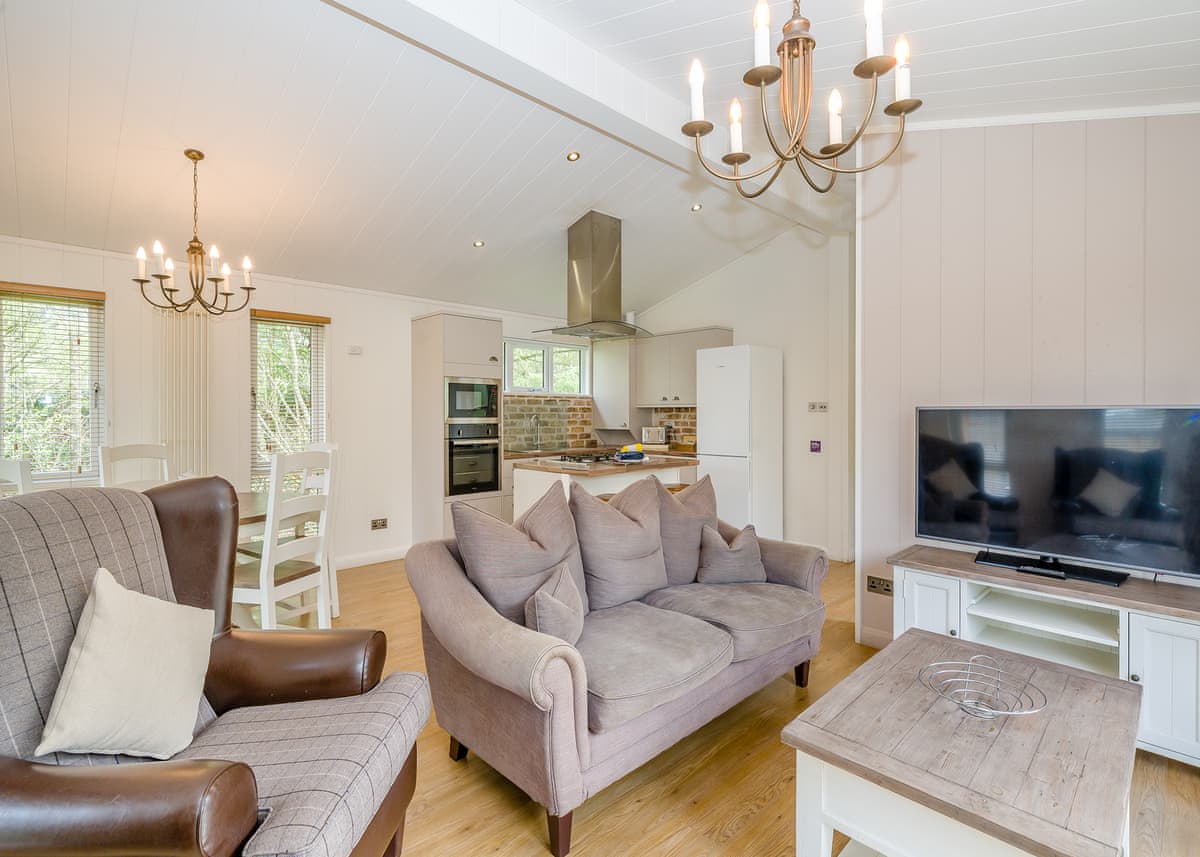
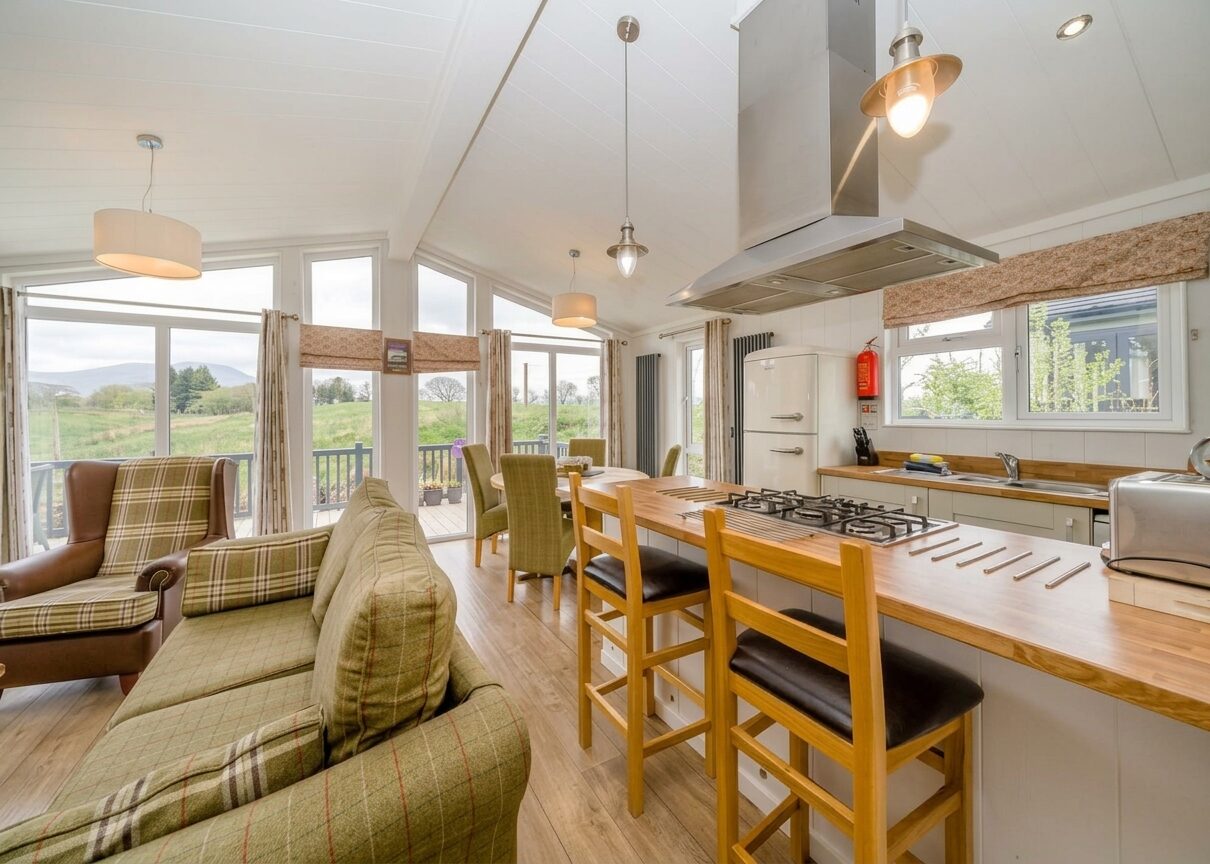
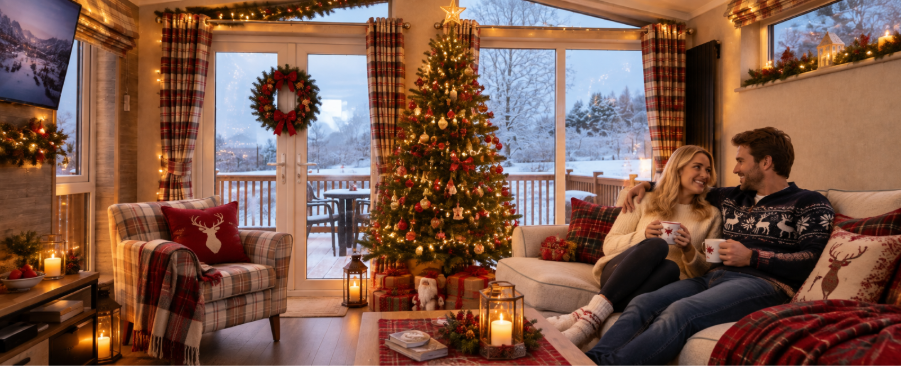
If you can picture yourself pulling up in Dartmouth on a grey November afternoon, switching on the heating, making a cup of tea and relaxing in your lodge, you might have found somewhere worth owning.
Sources
Discover Dartmouth
Explore Dartmouth