Lodge preferences are saved.
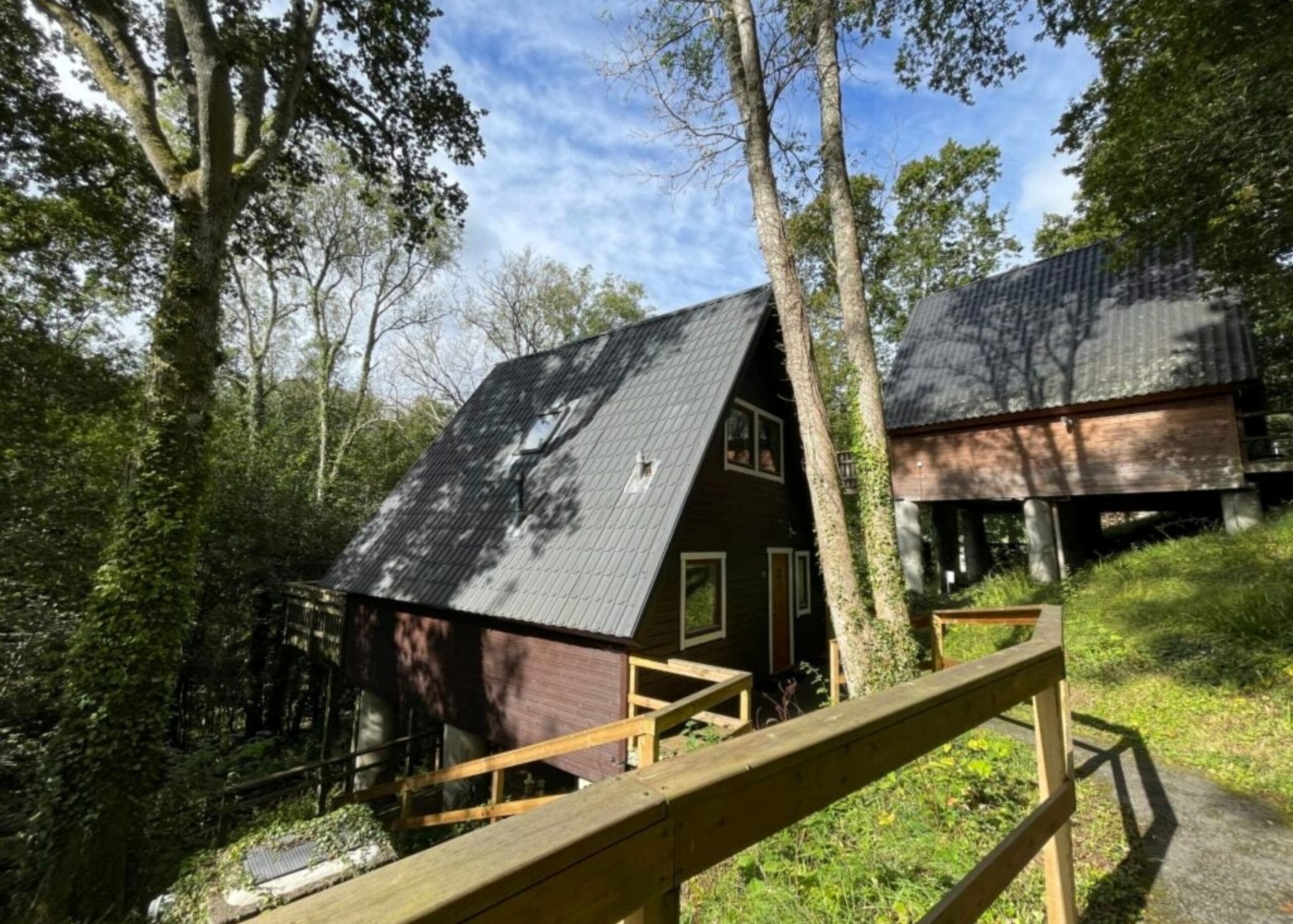
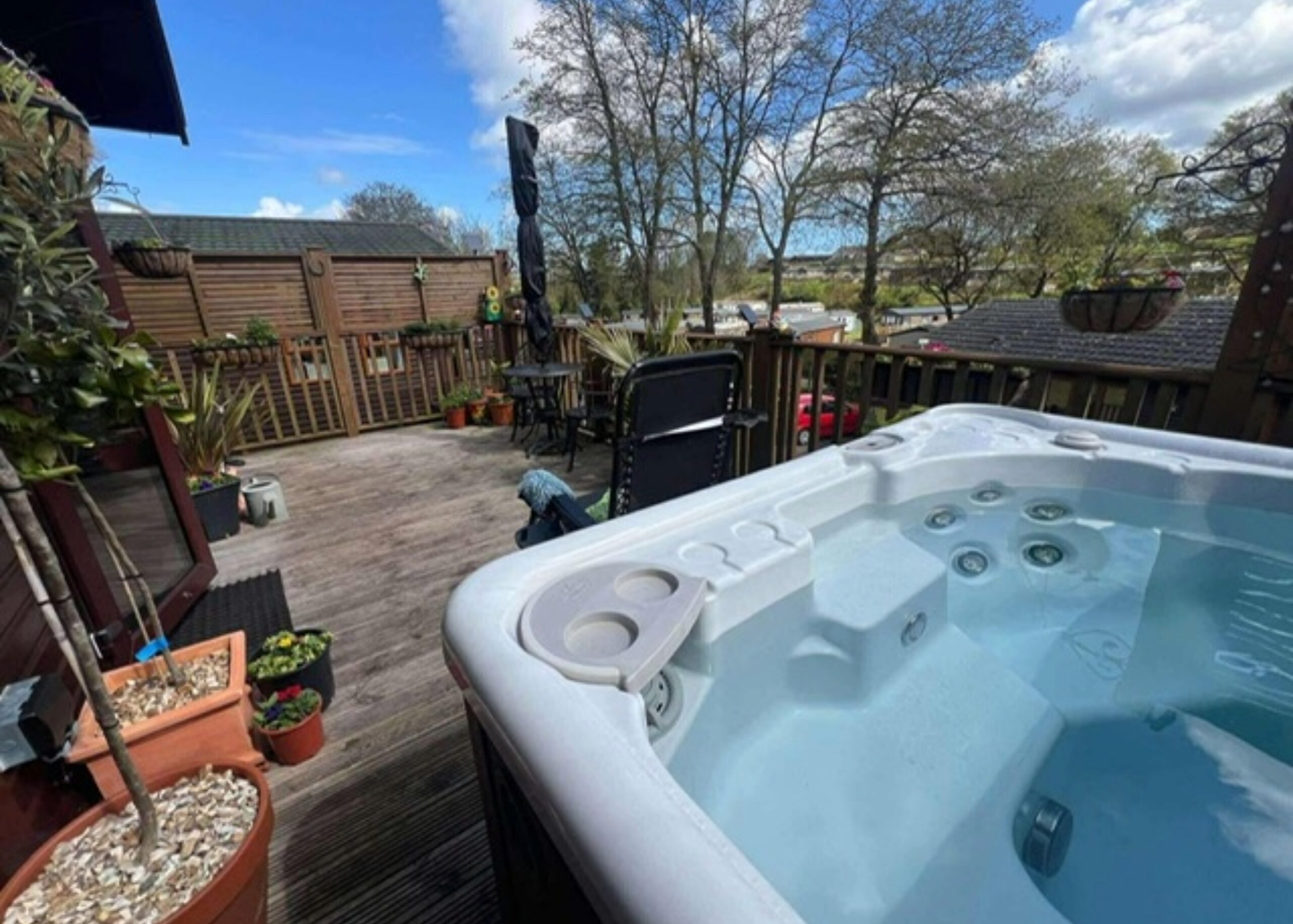
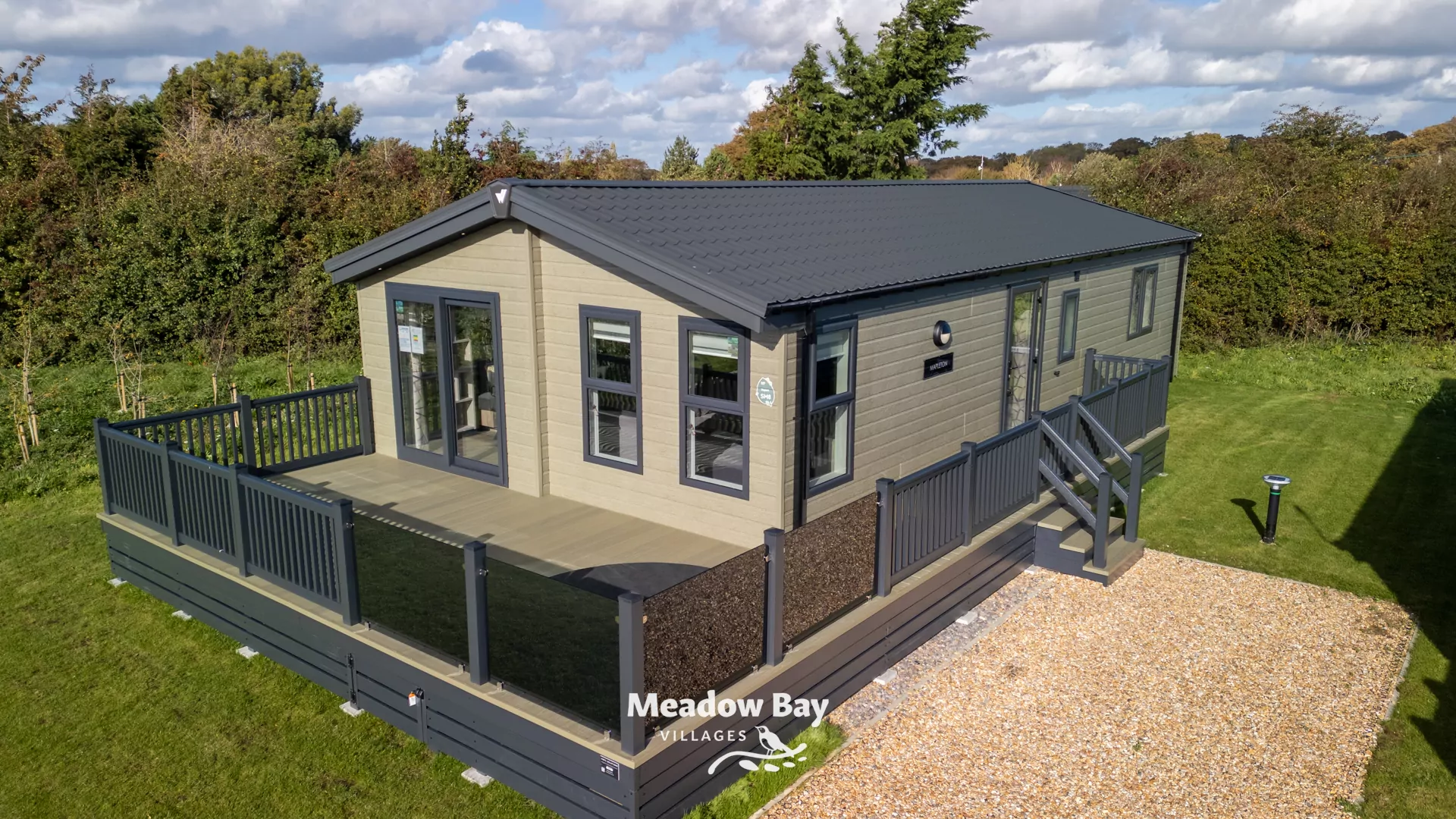
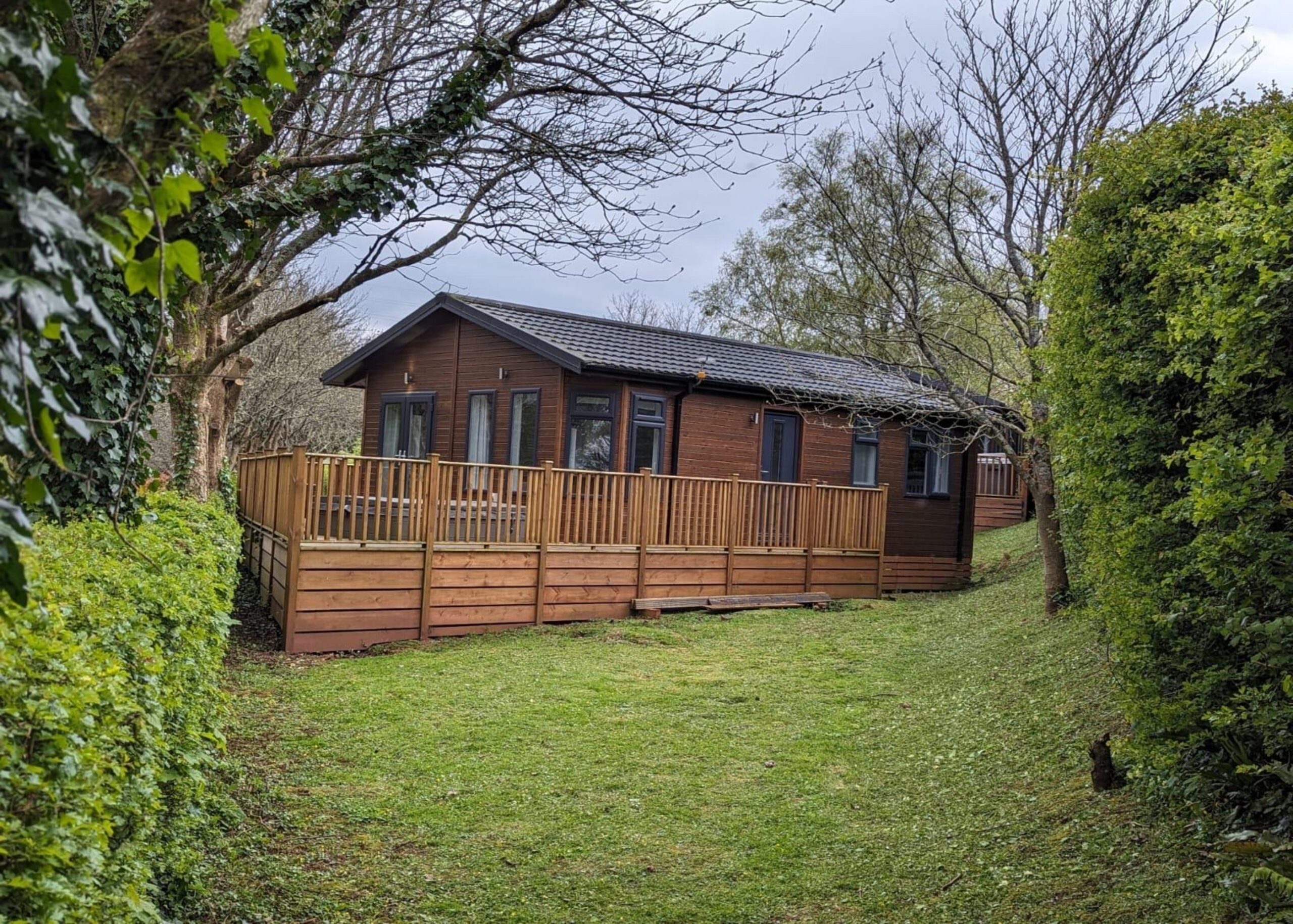
Thinking About Buying a Lodge Sited on a UK Holiday Park?
We can all agree that buying a luxury lodge in a UK holiday park is an exciting move.
With flexible breaks, a countryside retreat and potential rental income – all without leaving the UK – it’s easy to see why so many people are keen to become proud lodge owners.
But, unlike traditional property purchases, holiday park lodge ownership comes with its own rules, costs and considerations.
Whether you’re buying for personal use, investment or a bit of both, you need to check a few things before taking the plunge.
Here’s Why Sited Lodge Due Diligence Matters More Than Ever
If you’ve done much research into holiday lodge ownership, you’ll know that it’s growing in popularity.
The holiday park sector in the UK is substantial, and no one can say otherwise.
Thanks to figures from CBRE, we know that the UK’s holiday park sector generated around £3.5 billion in revenue in 2024.
We also know that there are around 4,845 member holiday parks operating in England, accounting for 320,005 pitches, from figures provided by UKCCA.
At the same time, buyer demand has shifted strongly toward larger, more luxurious lodges, with UK Parks explaining that they account for around 70% of holiday home listings in some markets.
In short, it’s a thriving market, but it’s also one that requires careful decision-making.
Things to Check Before Buying a Lodge Sited on a UK Holiday Park
Your Ownership Rights and Licence Agreement
One of the most important differences between a holiday lodge and traditional property is that you usually don’t own the land it’s on.
Instead, you tend to purchase the lodge itself and lease the pitch from the park operator.
Before buying a sited lodge on a UK holiday park, check:
- Length of pitch licence
- Conditions for renewal
- Transfer or resale rules
- Restrictions on alterations or subletting
You also need to think about what happens when the lodge reaches the end of its permitted lifespan, as many holiday parks require you to upgrade eventually.
It’s important to always read the licence agreement in full before you commit to anything.
Whether You Can Stay Year-Round
The majority of holiday parks are only licenced for holidays and short-term stays, which means permanent residential living isn’t allowed.
Some holiday parks are open year-round, but many operate seasonally, usually from spring to autumn.
If you’re buying a lodge because you want to stay for extended stays or remote working, you need to check:
- The maximum number of consecutive nights allowed
- When the park closes, and how long for
- Whether your lodge can be used as a primary residence
The Ongoing Costs, Not Just the Purchase Price
The upfront price is only part of how much buying a luxury lodge will cost you.
Annual running costs can be significant, and the total can vary a lot between parks.
Common ongoing costs include:
- Pitch fees, and these often rise annually
- Service charges or management fees
- Utilities
- Insurance
- Maintenance
- Letting fees, if you’re renting your lodge out
Understanding total annual ownership costs is key for accurate budgeting and ROI planning.
Otherwise, you might be hit with unexpected costs.
The Lodge and Holiday Park Location
Like any property, location matters.
But with lodges, lifestyle appeal is everything.
Outdoor space and local area strongly influence owner enjoyment, guest demand and resale value, so be sure you’re buying a lodge in a location that works for you.
Rental Income Reality
Some buyers plan to offset lodge ownership costs through holiday letting.
This can work well in high demand locations, but income isn’t guaranteed.
Occupancy levels fluctuate significantly across the year, and some locations attract a lot more holidaymakers than others.
Before buying and assuming you’ll have a lot of rental income to rely on, check:
- Whether letting is permitted
- If the park manages bookings
- What subletting fees apply
- If there usage restrictions during high season
- What occupancy rates you can expect
Treat rental forecasts cautiously, as you don’t want to base your lodge buying on unrealistic subletting expectations.
Lodge Specification, Lifespan and Depreciation
There are a lot of luxury lodges out there, so you need to compare your lodge options before buying.
Unlike traditional houses, lodges are considered holiday homes rather than permanent structures.
That means they:
- Have an expected lifespan
- May depreciate over time
- Could require replacement after a certain age
- Must meet park standards to remain sited
Modern luxury lodges are significantly larger and more insulated than traditional caravans, making them a comfortable, cosy and home-away-from-home option.
But, as there are a whole host of lodge options, you need to compare specifications, lifespan and depreciation.
This will enable you to buy a lodge that ticks every box in terms of size, features and space, but also one that works for you lifespan and deprecation expectations.
Buying a luxury lodge on a UK holiday park can bring incredible lifestyle benefits, from spontaneous countryside escapes to family retreats, and even potential rental income.
But, understanding the licence structure, ongoing costs, park rules and long-term outlook is essential to making a confident decision.
Trust us, the best buyers are informed buyers.
Sources
UK Parks
CBRE, 2025
UKCCA, 2018