Lodge preferences are saved.
Holiday Lodge Ownership Costs vs. Traditional Holiday Homes
Many solo travellers, couples, families and retirees dream of owning their own holiday home.
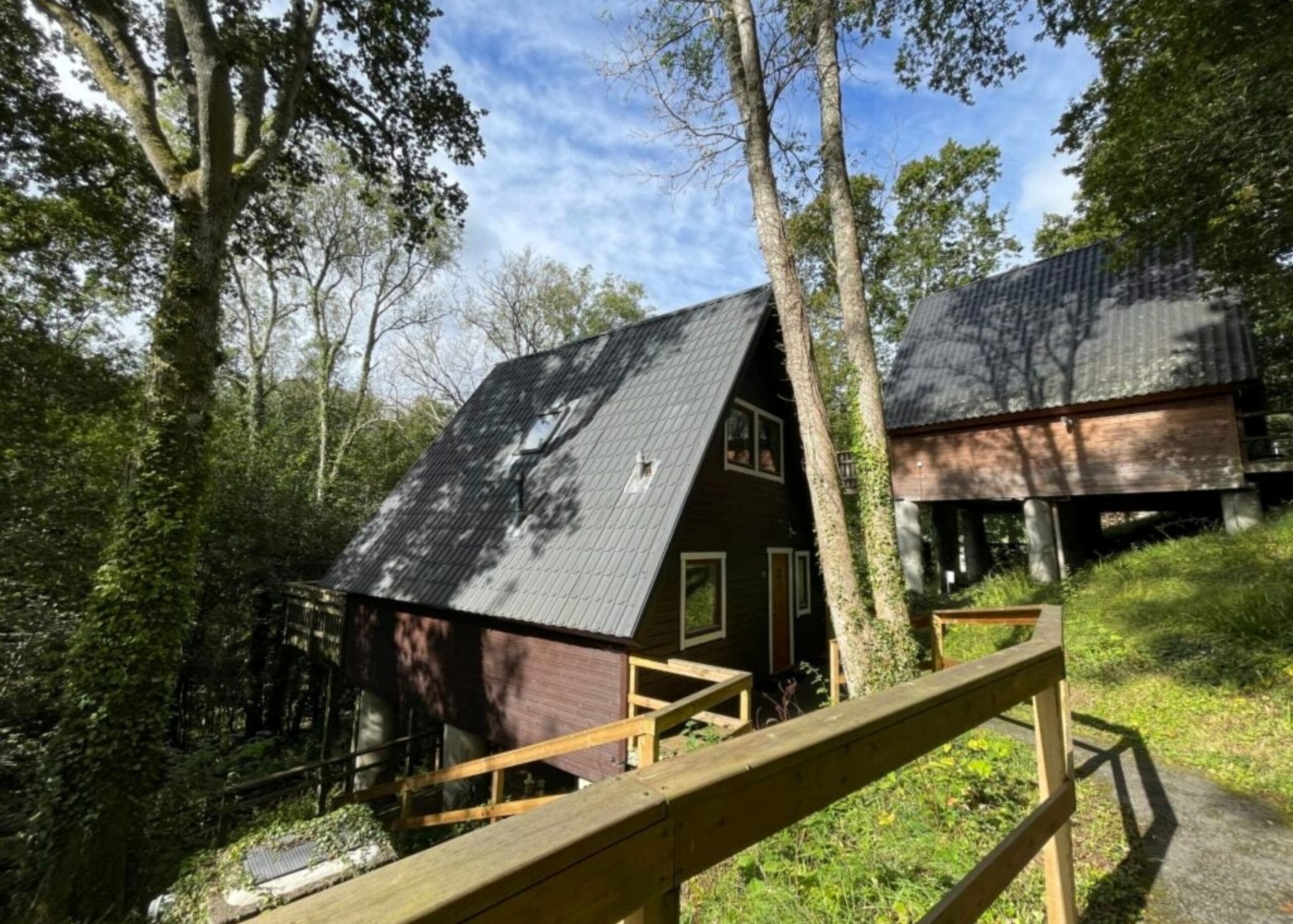
That might be a luxury lodge nestled in woodland, or a static caravan on a coastal park.
Whatever you’re picturing, being a smart buyer means knowing that beyond the cosy vibes and Insta‑worthy views, it’s worth comparing the costs involved.
Let’s break down the holiday home ownership numbers, so you can decide what works best for your lifestyle and your wallet.
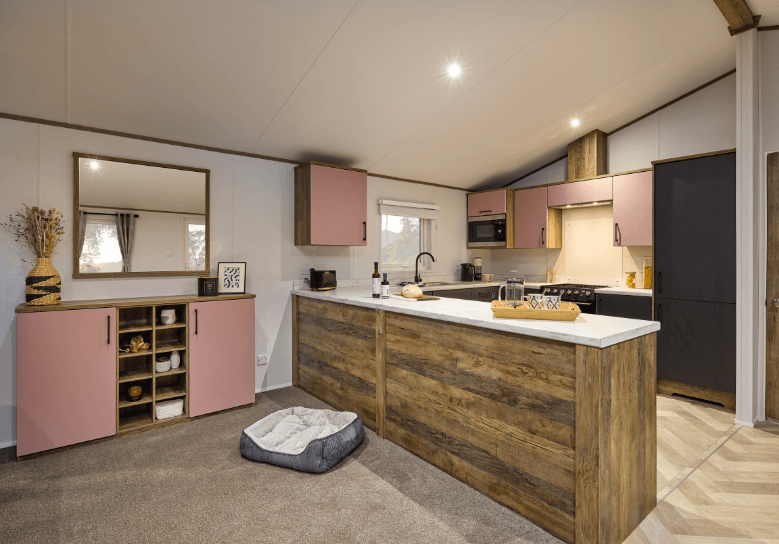
Holiday Lodges vs Traditional Holiday Homes
Before you jump into buying a holiday home in the UK, you need to understand the difference between holiday lodges and traditional holiday homes.
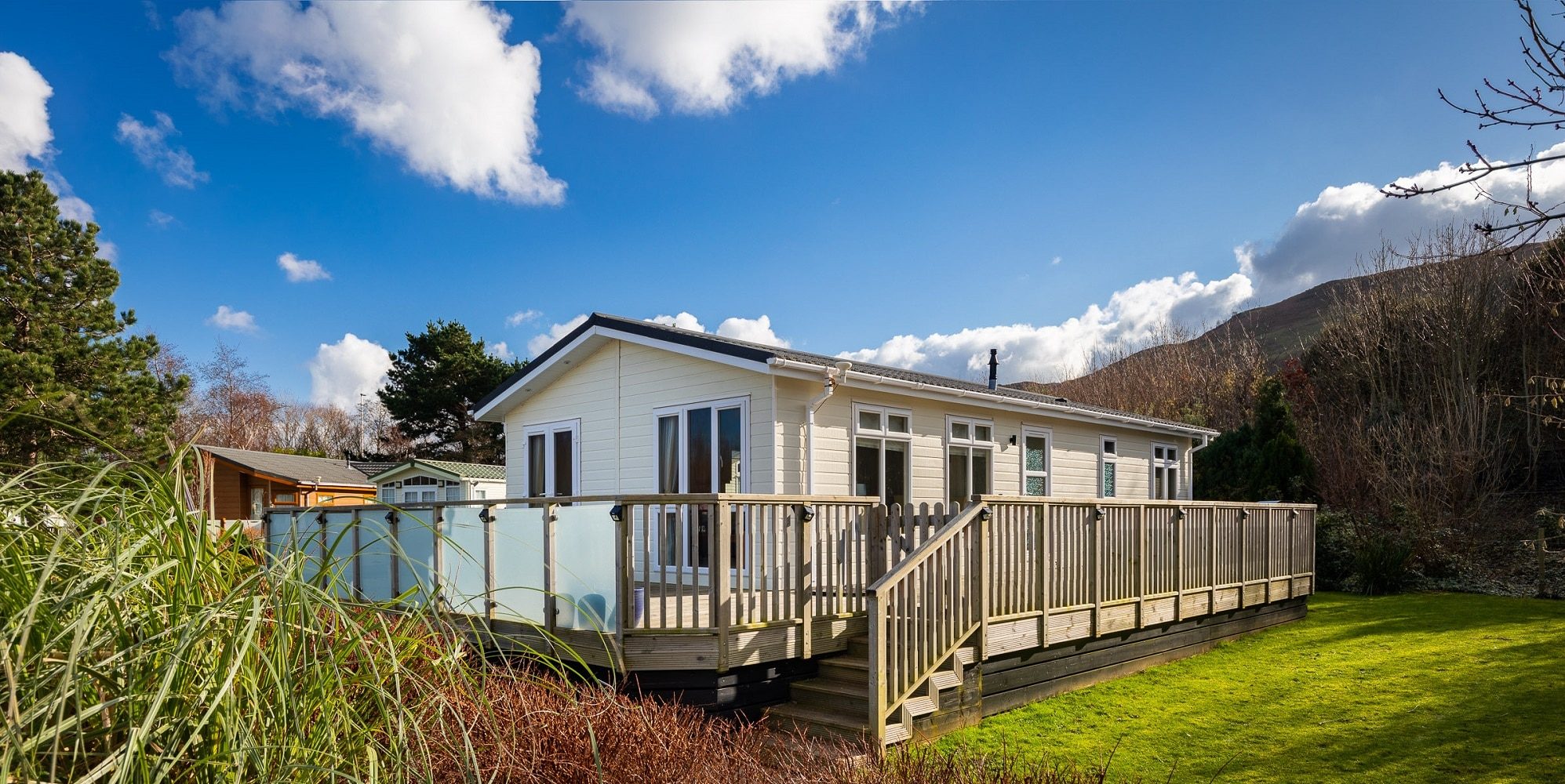
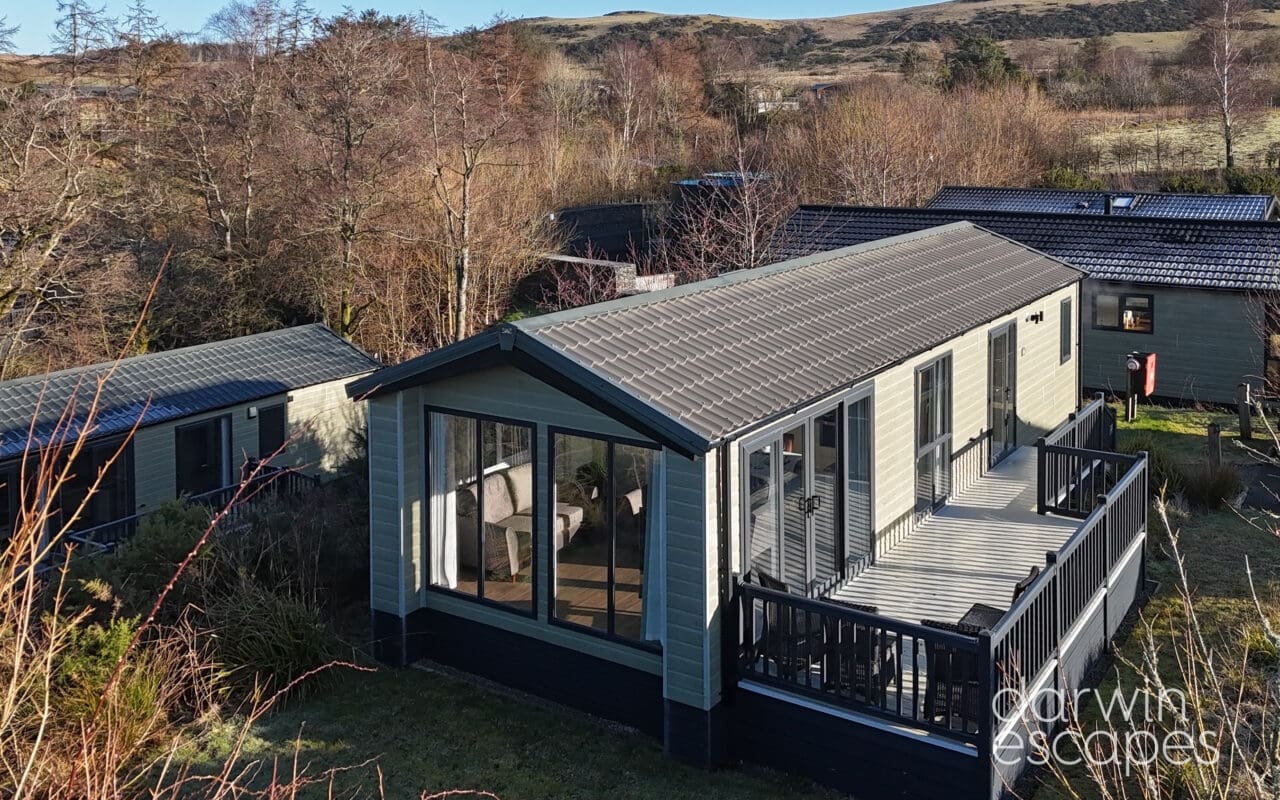
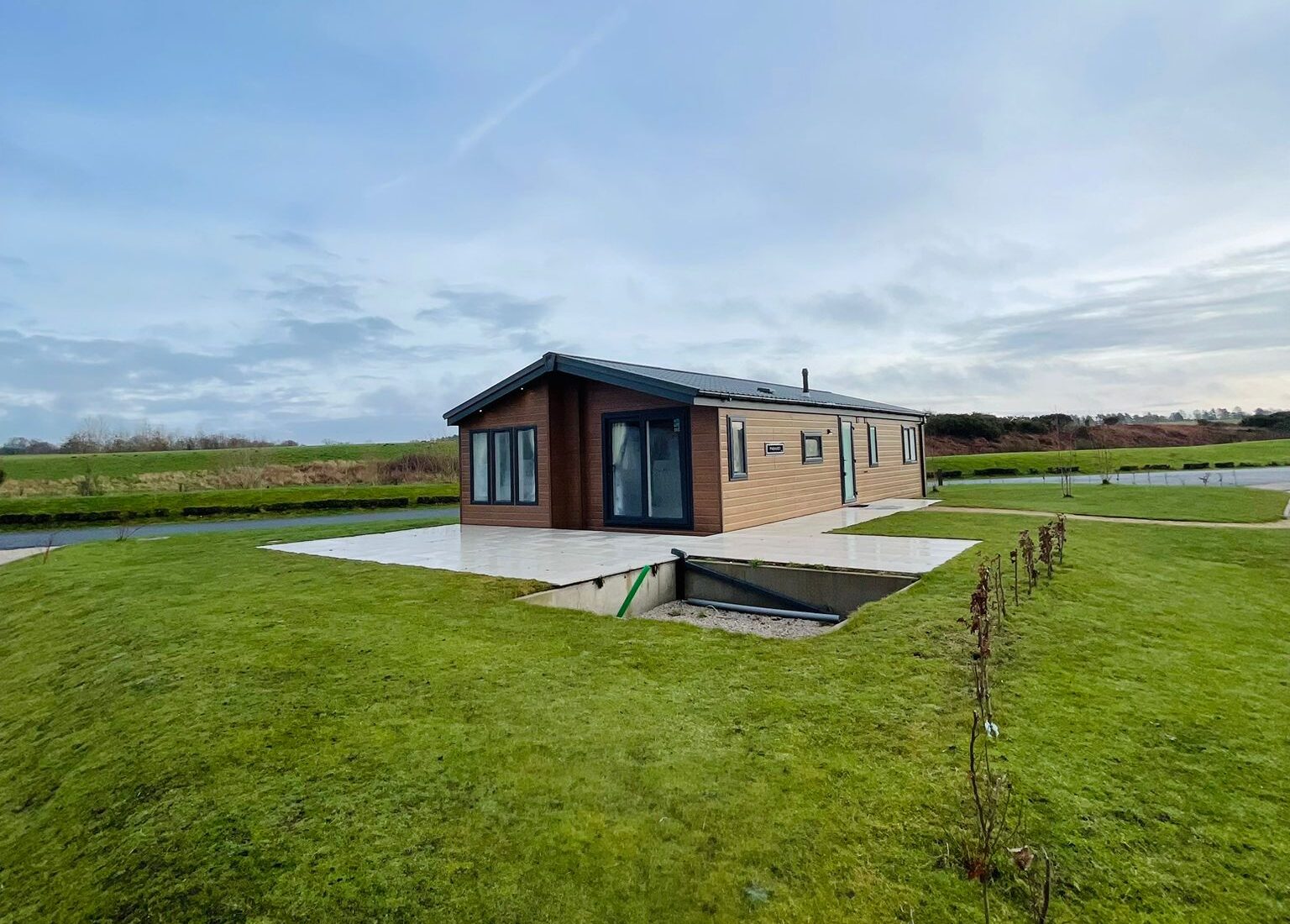
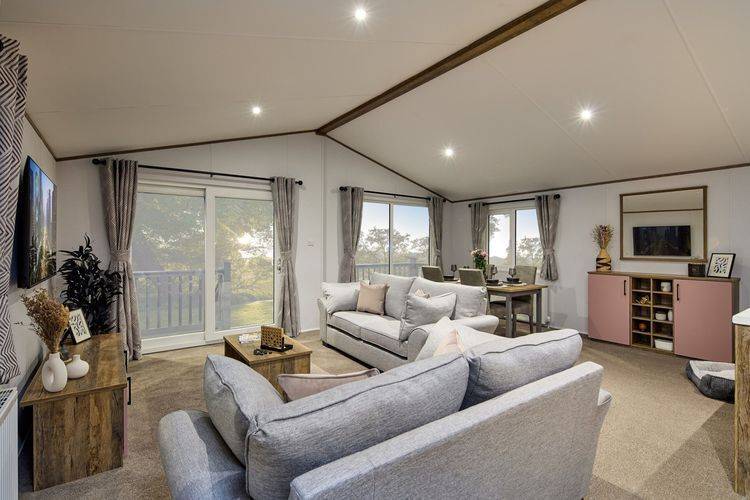
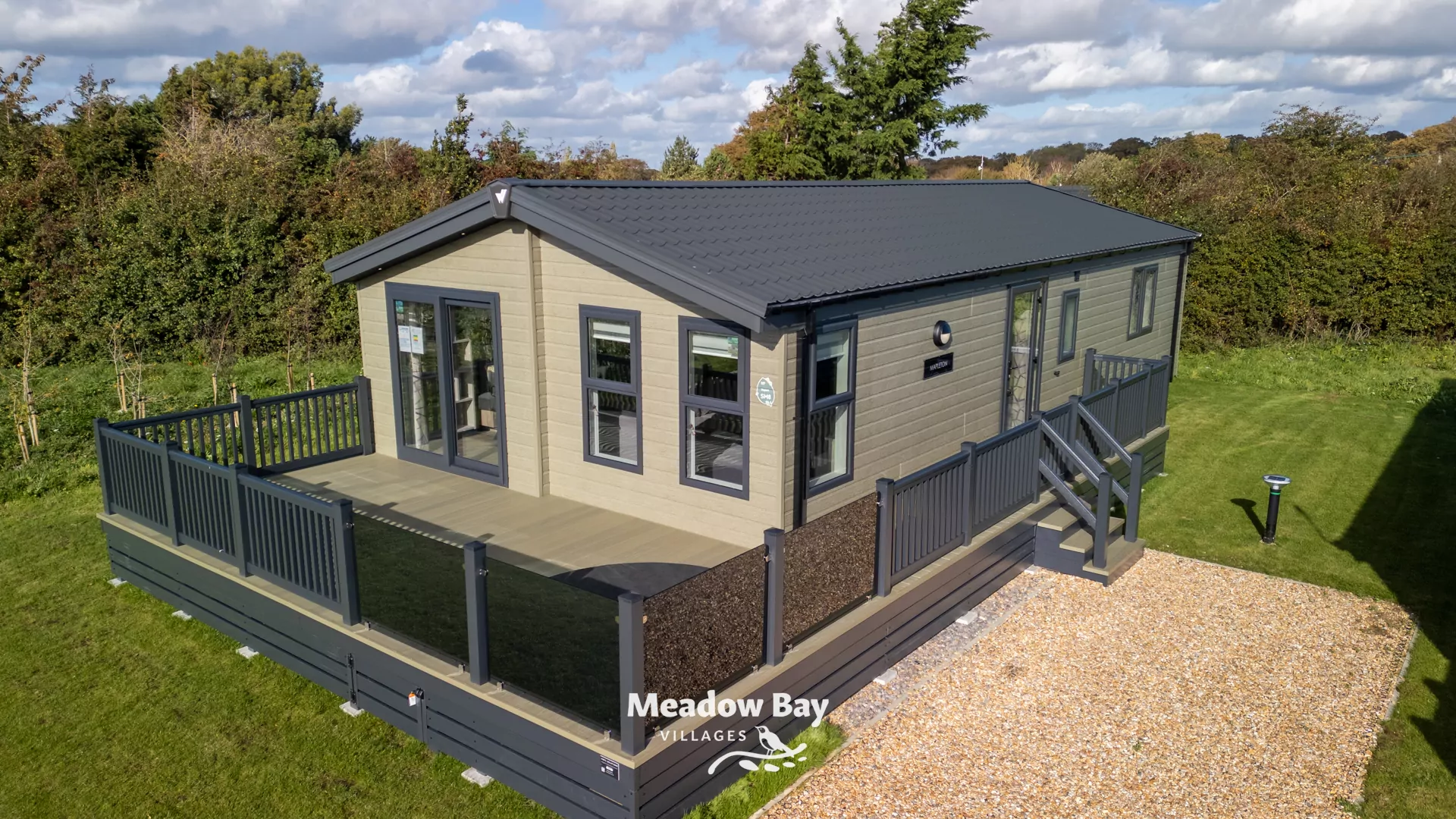
Holiday Lodges – These are high quality, purpose‑built holiday homes sited on holiday parks across the UK. You own the lodge itself and licence the land it sits on from the park owner.
Traditional Holiday Homes – These are regular houses, such as cottages, flats or seaside homes. You own them as a second property and can visit whenever you like. They’re governed by the usual residential property rules and taxes.
Holiday lodge ownership tends to be simpler and often cheaper than buying a full second home, especially when you factor in taxes and ongoing bills.
But, there is one trade‑off – you don’t actually own the land and you can’t live there permanently.
Initial Purchase Costs
Holiday Lodges
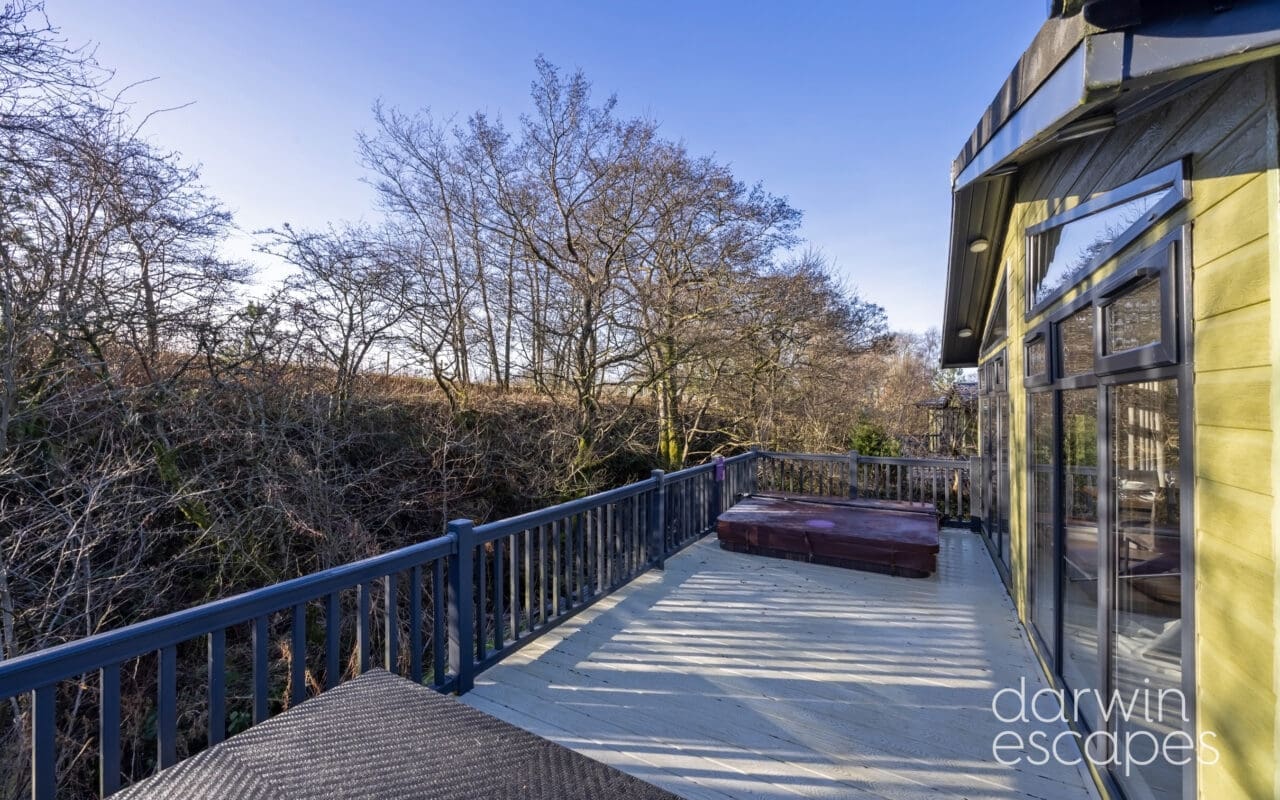
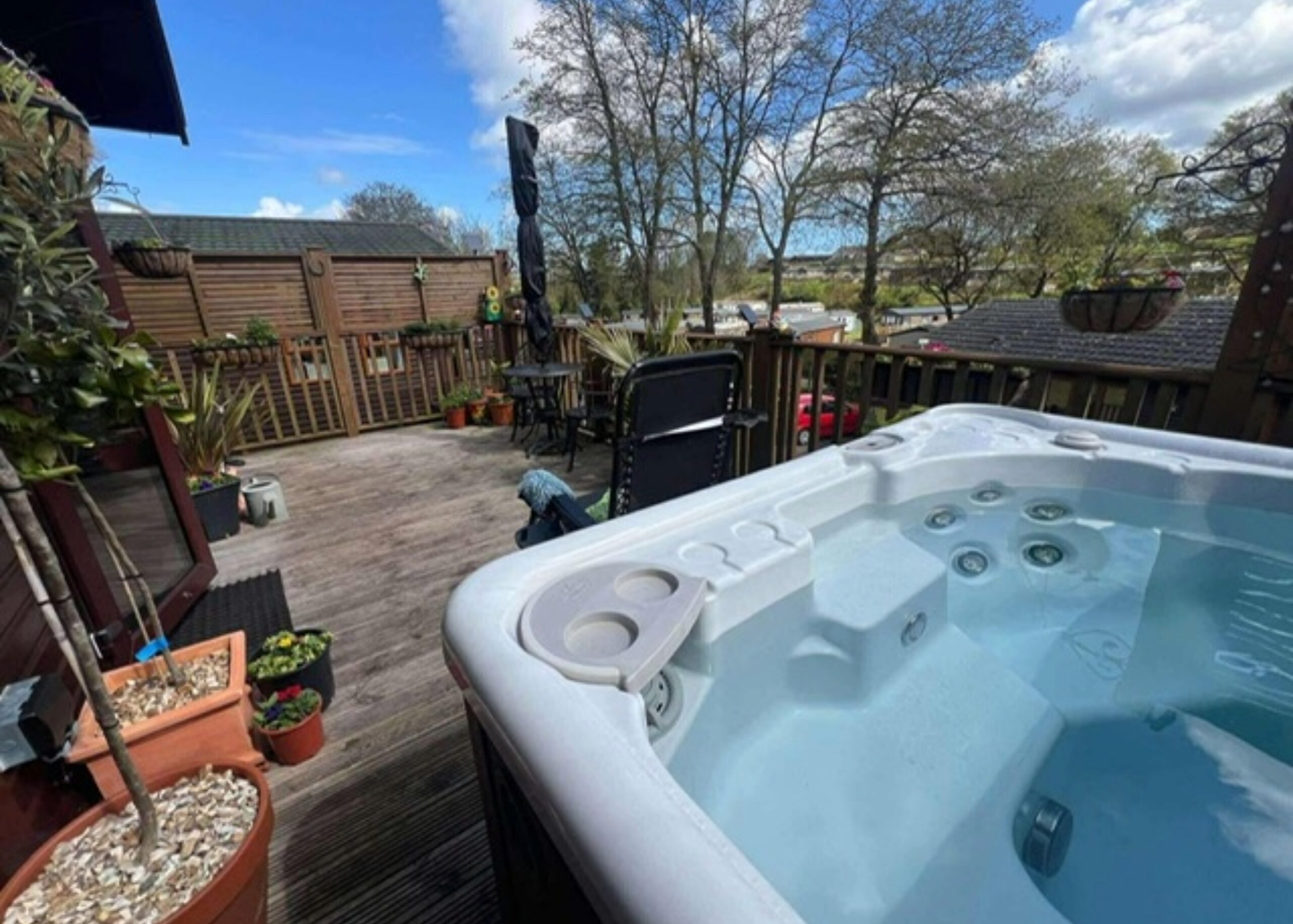
New holiday lodges typically start around £90,000 to £110,000, with premium models – those with hot tubs, large decks and stunning views – reaching £250,000 and beyond.
Unlike traditional homes, there’s no Stamp Duty Land Tax (SDLT) on holiday lodges, which saves you money straight away.
Traditional Holiday Homes
Traditional holiday homes, which are handled in the same way as second homes, can cost hundreds of thousands of pounds.
In popular holiday destinations, average prices often go above typical UK house prices.
SDLT and council tax apply with a traditional holiday home, and for second homes, you’ll usually pay extra on top of the usual SDLT rates on the purchase price.
This means that the upfront price tag on holiday lodges is often lower.

Ongoing Running Costs
Holiday Lodge Running Costs
Holiday lodge ownership comes with a few predictable annual costs:
Site or Pitch Fees – Spending between £3,500 and £5,500 per year on site fees is typical for holiday homes on parks, with some larger pitches costing more, depending on holiday park location and facilities.
Utilities, Insurance and Maintenance – Expect costs similar to a modest home but generally lower than a full residential house. Away Resorts estimates that luxury lodges cost around £2,000 per year in utilities.
Traditional Holiday Home Running Costs
Second homes come with a bigger ongoing bill, as you need to factor council tax, utilities, insurance and maintenance into the mix.
You pay full residential utility bills, whether you’re there or not, and second home insurance can be pricier too.
Plus, roofs, gardens, driveways, plumbing and emergency repairs can add up, especially if the property is older.
Holiday lodge ownership means structured, predictable costs, whereas traditional second homes can surprise you with bigger and more varied bills.
Holiday Lodge Value Over Time
Both holiday lodges and traditional second homes are lifestyle purchases, not guaranteed investments.
But, lodges depreciate in value, like cars.
Though newer models with long licence terms retain more value than older caravans, there’s no guarantee that a luxury lodge will make you a profit when the time comes to sell.
Traditional homes have the potential to appreciate over time, especially in high‑demand areas.
But, that goes alongside higher purchase and upkeep costs.
So, if you’re after potential capital growth, a traditional holiday home might be the right choice.
If you want someone else to manage the park, grounds and general maintenance – and you’re wanting to keep things simple – lodges often win.
There’s no one‑size‑fits‑all answer, but with clear figures and a bit of planning, you can confidently weigh up the options that best suit your holiday home dream.
Source
Coast and Country Parks